$1O BUILD YOUR BUNDLE
Choose your favorite Dish Soap,Multi-Surface Cleaner,& Foaming
Hand Soap!


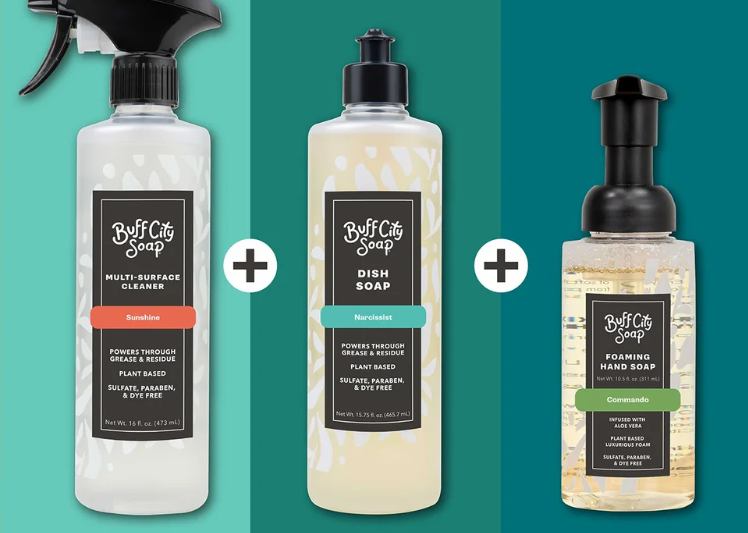
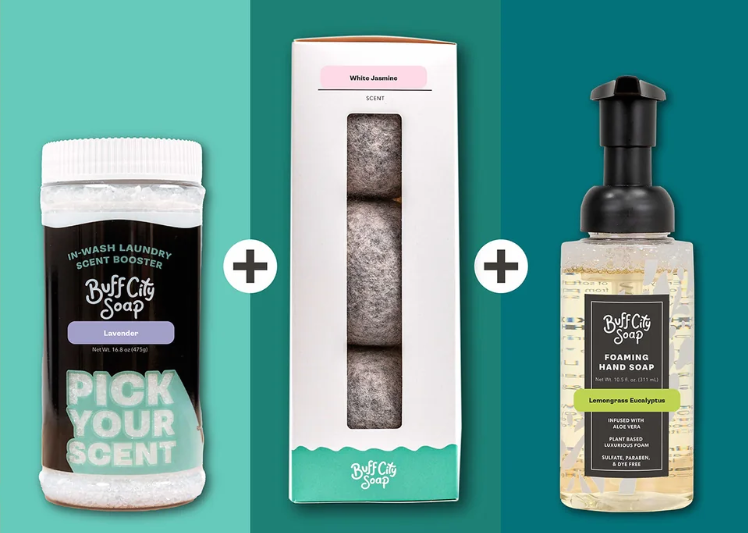
NEW& POPULAR
New Products
New Products
New Products
New Products
New Products
New Products
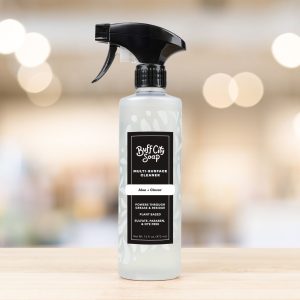
New Products
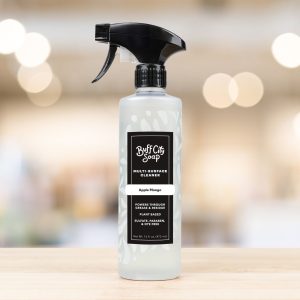
New Products
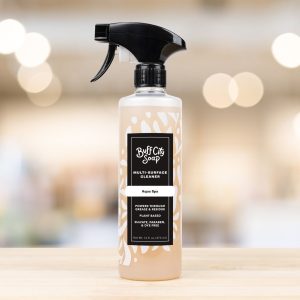
New Products
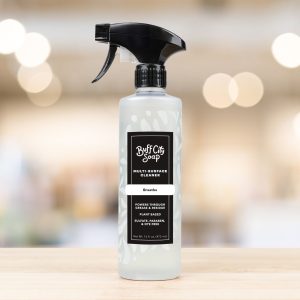
New Products
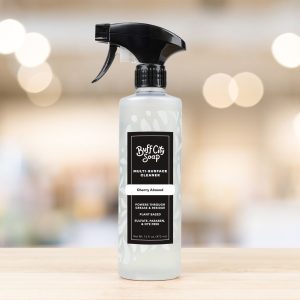
New Products
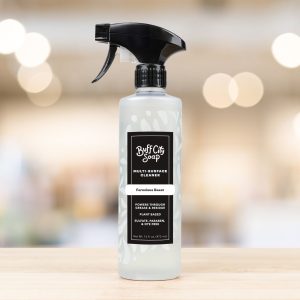
New Products
SHOP BY CATEGORY



The modern market offers an astonishing diversity of specialized solutions aimed at keeping a dwelling spotless, reflecting the complex and varied needs of today’s surfaces and materials. While a general-purpose preparation can handle many tasks, the true efficiency of home maintenance often lies in selecting the right material for the right application, moving beyond the simple one-size-fits-all approach of previous generations.
Consider the stark difference in requirements between a glass surface and a porcelain fixture. A solution formulated for glass and mirror cleaning needs to be exceptionally non-streaking and volatile, meaning it evaporates quickly without leaving any residue. These preparations often rely on mild solvents and ammonia-free constituents to achieve a crystal-clear finish. Their primary goal is not heavy-duty degreasing but rapid removal of light film, fingerprints, and smudges, ensuring maximum light reflection and visual clarity.
Conversely, solutions designed for areas that handle significant organic waste, such as ovens or grills, require a much more potent, often highly alkaline, formula. These preparations are engineered to penetrate and saponify (turn into soap) heavily carbonized grease and baked-on residues. They work by breaking down complex organic molecules into simpler, water-soluble components that can be easily wiped away. Due to their high reactivity, these specialized preparations often come with careful handling instructions, underscoring the power of their chemical action.
Another critical category involves materials used for stone and delicate surfaces. Many natural stone countertops, for example, are highly sensitive to acidic or overly alkaline substances, which can etch or dull the finish. Preparations intended for these areas are formulated to be pH-neutral and contain conditioning elements that help maintain the material’s natural luster. The focus here shifts from aggressive chemical intervention to gentle, consistent maintenance that preserves the aesthetic and integrity of the costly material. This specialization shows how the art of formulation must adapt to the physical properties of the substrate being treated.
Furthermore, the rise of specialized floor care solutions highlights another layer of complexity. Different flooring types—hardwood, laminate, tile, and vinyl—each react differently to moisture and cleaning components. Hardwood solutions often contain minimal water and conditioning agents to protect the wood’s finish and prevent warping, while tile and grout solutions may contain constituents that specifically target and lift the deep-seated grime that accumulates in porous grout lines. The performance metric here is not only visual cleanliness but also the long-term preservation of the flooring material itself, ensuring durability and extending its usable lifespan.
In recent years, there has been a notable trend towards preparations with a minimized environmental footprint. Driven by consumer preference, formulators are increasingly turning to components derived from renewable, non-petroleum resources. These “green” or “eco-conscious” formulations strive to achieve comparable performance to traditional solutions while employing readily biodegradable constituents. They often leverage plant-derived surfactants and natural acidic components, demonstrating that efficacy does not necessarily require harsh or persistent chemical agents. This movement represents a significant technical challenge and a commitment to sustainable chemistry.
The method of application is also a key consideration in modern product design. Formulations are developed specifically for various delivery systems—aerosols, concentrated liquids, wipes, and foaming sprays. The wipe format, for instance, requires a formulation that remains stable within a saturated cloth medium over time, while a foaming spray needs constituents that generate and stabilize a thick lather for increased dwell time on vertical surfaces. The physical state and delivery system are carefully matched to the intended function to maximize convenience and performance.
Ultimately, the array of modern cleansing preparations provides tailored solutions for every domestic challenge. From the quick, non-streaking action required for glass to the deep-penetrating power needed for heavy-duty kitchen work, these agents are a testament to ongoing innovation in material and environmental chemistry. They empower the user to achieve a superior level of hygienic maintenance with greater ease and confidence, ensuring that the living environment is not just superficially clean, but truly purified and well-maintained for comfort and longevity.